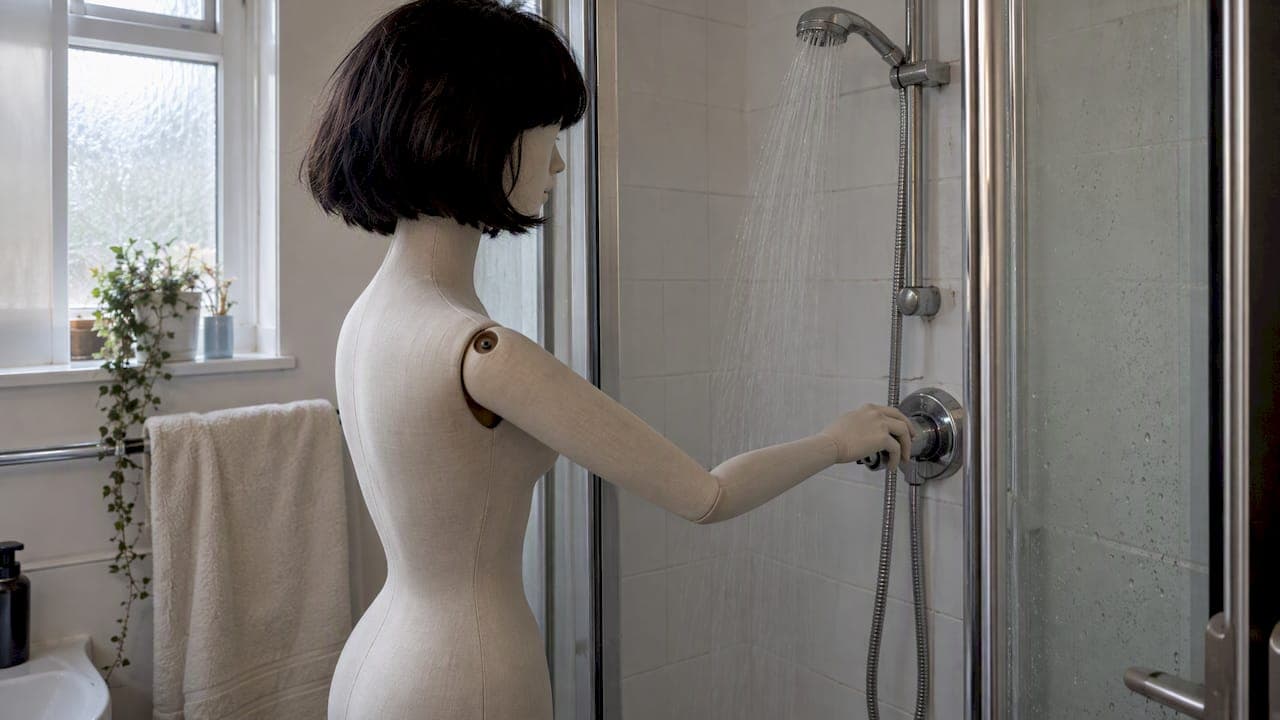
Yes, hot showers commonly dry and irritate skin because high temperatures disrupt its protective lipids. Clinical measurements of transepidermal water loss, known as TEWL, confirm the damage, and NHS guidance backs the fix: switch to lukewarm water, keep showers short and moisturise straight away, with a richer option such as After Hours Body Butter for stubborn patches.
TL;DR:
- Hot water increases transepidermal water loss significantly, with TEWL more than doubling after exposure, which damages the skin's barrier.
- Keep showers lukewarm and limit them to 5-10 minutes to minimize lipid layer disruption and avoid unnecessary dryness.
- Use emollient soap substitutes and avoid harsh, fragrance-rich, or high-foaming products to prevent stripping natural oils.
- Apply moisturiser within minutes of showering on damp skin, choosing richer formulas like body butters for persistent dryness or flaky patches.
- Reduce shower frequency if skin feels tight or flaky, and seek medical advice if dryness persists, cracks, or shows signs of infection.
Table of Contents
- How hot water damages the skin barrier
- Shower rules that actually reduce dryness
- Cleansers and soap substitutes: what to avoid and use
- How and when to moisturise after bathing
- When to see a GP or dermatologist about post-shower dryness
- Tips from Darnell on repairing soap-stripped skin
- Balancing bathing comfort with skin health
- A discreet product option: when to consider a richer body butter
- Sources
- FAQ
How hot water damages the skin barrier
Skin holds moisture through a layer of lipids sitting between its outer cells. Hot water melts and washes away this layer faster than cool water does. Once that barrier weakens, water escapes from the skin faster than it should.
Researchers measured this directly. In one study, hot-water exposure raised TEWL, while cooler water caused far less change.
TEWL rose substantially after hot-water exposure in a volunteer study, more than doubling the baseline reading, which shows how much faster skin loses water once it meets hot water (PMC study).
Hot water also nudges skin pH upward and can trigger erythema, visible as redness or blotching. Interestingly, the same research found that water temperature made no real difference to removing microbes from skin, so there's no hygiene reason to run the water hot.

Shower rules that actually reduce dryness
Small changes to how you shower do most of the work. Dermatologists point to three adjustable factors: temperature, time and what you do straight after.
- Set the water to lukewarm, not hot. This limits barrier disruption without sacrificing a clean wash.
- Cap showers at around 5 to 10 minutes, the range dermatologists recommend for preserving natural oils (AAD guidance).
- Shower daily only if needed. Reduce frequency if skin already feels tight or flaky.
- Keep the bathroom door shut while you shower to hold in humidity.
- Pat skin dry with a towel. Rubbing adds friction that worsens irritation.
Pro Tip: Finish with a brief cool rinse to help close pores, and warm a small amount of your moisturiser between your palms before applying so it spreads evenly over damp skin.
Cleansers and soap substitutes: what to avoid and use
Some wash products strip oils faster than hot water alone. Checking labels before you buy matters as much as adjusting the tap.
- Avoid fragrance soaps and shower gels, which commonly trigger irritation on already-dry skin.
- Skip high-foaming surfactants and alcohol-based washes, both known for stripping natural oils.
- Choose syndet bars or cream cleansers instead of traditional soap.
- Use an emollient soap substitute in place of standard body wash, following NHS guidance for dry or itchy skin and considering gentler options like the So...? Sorry Not Sorry bath & body range.
- Patch test any new product on a small area first, and apply gentle cleansers only where needed rather than scrubbing the whole body.
How and when to moisturise after bathing
Apply moisturiser within a few minutes of patting skin dry. Damp skin absorbs product more readily, and locking in that surface moisture before it evaporates is the single most effective step in NHS guidance for dry skin (NHS emollients).
Formulation choice depends on how dry your skin actually is.
- Lightweight lotions suit mildly dry or normal skin and absorb quickly with no residue.
- Creams sit between lotions and ointments, offering more staying power for moderate dryness.
- Richer options such as body butters suit flaky, tight or very dry patches, and work well overnight when absorption time isn't an issue. Natural butters often outperform lighter lotions at sealing in moisture for this reason.
- Acne-prone skin can still tolerate richer formulations if they're non-comedogenic; check a moisturiser checklist for acne-prone skin before switching.
Primary-care guidance recommends applying emollients 2 to 4 times daily, more often during flares (NEL emollient guidelines).
Pro Tip: Keep a small amount of your moisturiser by the bath; emollients make surfaces slippery, so a non-slip mat is worth having nearby.
Avoid applying rich products to broken, inflamed or infected skin until it has settled.
When to see a GP or dermatologist about post-shower dryness
Mild dryness usually responds to self-care within a week or two. See a GP if you notice bleeding, widespread cracking, oozing, signs of infection or itching that won't settle.
A GP may prescribe a stronger emollient, a short course of topical steroid, or refer you to a dermatologist for persistent cases. Bring details of your current shower habits and the products you use, since both often shape the advice you get.
Tips from Darnell on repairing soap-stripped skin
Skin that's been stripped by hot water or harsh soap usually responds well to a simple routine repeated for a few days. Warm a small amount of a rich emollient between your palms, pat your skin while it's still damp, then smooth the product in rather than rubbing it in.

Reapply to hands and feet before bed, where dryness often shows first. Avoid this on open cracks or signs of infection, and use a bath mat if you're applying anything in the shower itself. More detail on technique and amounts can be found in this guide to applying body butter.
Balancing bathing comfort with skin health
Nobody needs to give up hot showers entirely. Shortening most showers and saving one longer, warmer soak for occasional comfort still protects skin most of the week.
Consistent moisturising resolves mild dryness for most people without any other change, so start there before overhauling your whole routine.
— Darnell
A discreet product option: when to consider a richer body butter
Persistent flaky patches, tight skin after every shower or dryness that returns by morning usually means a lighter lotion isn't doing enough. A richer, lipid-based formula gives the barrier more to work with overnight.
There are vegan, cruelty-free body butters built around fat-soluble nutrients, with no silicones, sulfates or harsh fillers. If persistent dryness or itching keeps coming back after your usual routine, browse After Hours Body Butter's full range to see which formula suits your skin.
This article is general information, not a substitute for advice from a qualified doctor. Consult a qualified healthcare professional about your own circumstances before acting on anything here.
Sources
- Impact of water exposure and temperature changes on skin barrier function
- Emollients - NHS
- Dermatologists' tips to relieve dry skin
- Emollient guidelines (NEL) — prescribing and application recommendations
FAQ
Why do hot showers dry out your skin?
Hot water breaks down the oily layer that keeps moisture inside skin, so water escapes faster than it should. A study recorded TEWL rising from 25.75 to 58.58 g·h⁻¹·m⁻² after hot-water exposure, confirming the barrier damage (PMC study).
How do you fix dry skin from hot showers?
Switch to lukewarm water, limit showers to around 5 to 10 minutes, and apply a moisturiser within minutes of drying off (AAD guidance). Swapping ordinary soap for an emollient soap substitute helps too, following NHS advice for dry or itchy skin.
What happens if you take a hot shower every day?
Daily hot showers can gradually weaken the skin barrier, leading to ongoing tightness, flaking and a higher chance of irritation. Cutting shower temperature and frequency, alongside regular moisturising, usually improves things within a week or two.
How do you rehydrate extremely dry skin?
Apply a rich, occlusive moisturiser such as a cream, ointment or body butter straight after bathing while skin is still damp, repeating 2 to 4 times daily during flares (NEL emollient guidelines). See a GP if cracking, bleeding or signs of infection appear.