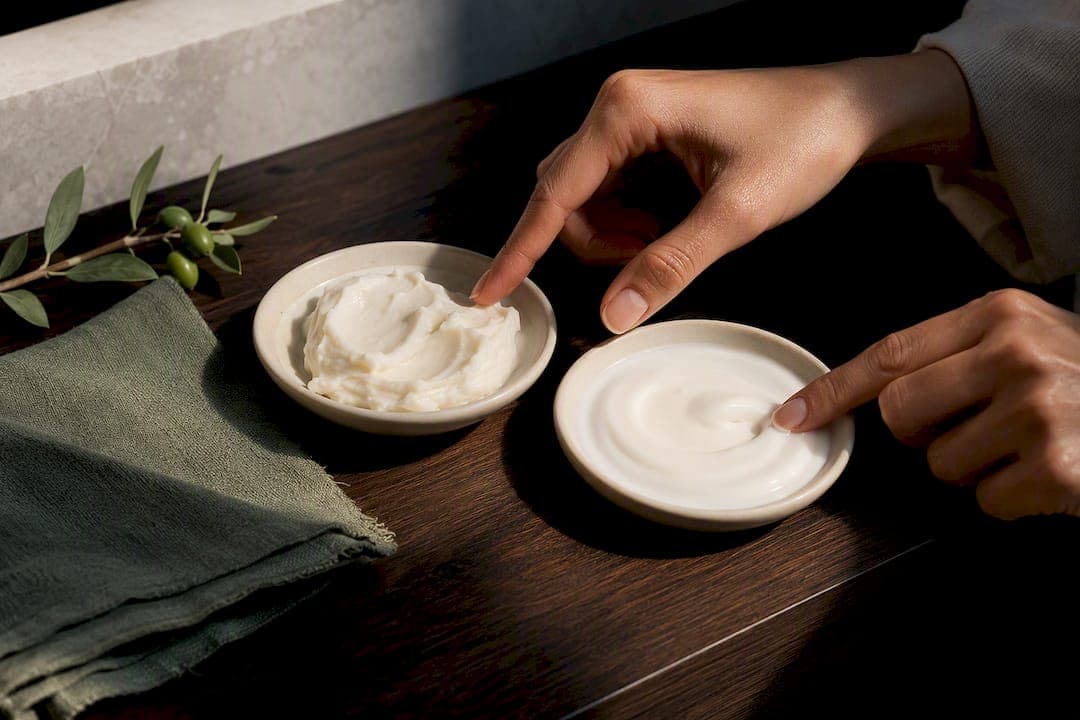
A plant-based body moisturiser, rich in plant butters, oils and humectants, is the simplest, low-risk way to hydrate skin properly. Pick a body butter for dry or mature skin, a lighter lotion for oily or combination skin, and a facial oil for targeted, thin-layer use. A plant-based body butter leaning on a vegan, non-comedogenic formulation rather than fragrance and filler can be a solid starting point for many people. The sections below cover the ingredients, cautions and application steps that decide whether a bottle actually works.
TL;DR:
- Choosing a plant-based moisturizer requires balancing humectants, emollients, and occlusives to properly hydrate and seal moisture in the skin.
- The effectiveness depends on the formula's ingredients and application technique, especially applying on damp skin with sufficient product.
- Reading the ingredient list, especially the first five items, helps identify products that truly meet specific skin needs rather than relying on marketing claims.
- Sensitive or reactive skin benefits from fragrance-free formulas with minimal actives and plant ingredients like oat and calendula.
- Both plant-based and conventional moisturizers can hydrate effectively, but plant formulas often offer better tolerance and long-term comfort for sensitive or reactive skin.
Table of Contents
- Why plant-based body moisturisers actually work
- Choosing the right texture and actives for your skin type
- Ingredients to avoid and how to read a plant-based label
- How to apply plant-based body moisturisers for the best results
- Why trust this guide
- Potential allergens in plant-based moisturisers and how to patch test
- Plant-based versus conventional moisturisers: which actually hydrates better
- How to work out what your skin actually needs
- What the ingredient list won't tell you
- Where to start if you want a plant-based option that actually works
- Sources
Why plant-based body moisturisers actually work
Every effective moisturiser, plant-based or not, does three jobs: it pulls water into the skin, seals it there, and softens the surface in between. Dermatology literature groups these into humectants, emollients and occlusives, and a review of moisturiser mechanisms shows that the balance between the three, not the "natural" label on the jar, determines how well a formula repairs the skin barrier.
Plant-derived ingredients slot neatly into each category:
-
Humectants — glycerin, plant-derived hyaluronic acid, and aloe draw water into the upper skin layers.
-
Emollients — shea butter, cocoa butter and jojoba oil smooth rough patches and fill gaps between skin cells.
-
Occlusives — plant squalane and thicker butters sit on the surface and slow water loss overnight.
A formula that leans on only one category tends to disappoint. A humectant-only lotion feels hydrating for an hour, then leaves skin thirstier than before because nothing is sealing the moisture in. This is where a lot of "natural" marketing quietly falls short: an ingredient list heavy on water and light on emollients will always underperform, whatever the label says. Clinical guidance on natural skin care makes the same point: plant origin helps with tolerance and sourcing, but formulation still decides whether the product actually hydrates.
Choosing the right texture and actives for your skin type
Skin type should decide texture before it decides brand. A body butter, a lotion and a facial oil are not interchangeable, and using the wrong one is the most common reason people say "natural moisturisers don't work for me."
- Dry or flaky skin — reach for a rich body butter built on shea or cocoa butter with an occlusive layer such as plant squalane. Apply at night so the occlusive can work uninterrupted for hours, ideally on damp skin straight from the shower.
- Oily or blemish-prone skin — go lighter. Non-comedogenic oils like jojoba, alongside humectants and lightweight polysaccharides, hydrate without clogging pores. Some natural formulations aimed at oily and combination skin now use prebiotics and inulin to support a balanced skin microbiome rather than just cutting oil altogether.
- Sensitive or reactive skin — prioritise fragrance-free formulas with a short, minimal-actives ingredient list. Oat and calendula are two of the most reliably soothing plant ingredients for extra-dry, sensitive skin, and both tend to calm rather than provoke.
- Mature or ageing skin — look for antioxidant-rich plant oils (rosehip, argan) and plant-derived tocopherols alongside a humectant such as glycerin. Antioxidants help defend against the environmental stress that accelerates visible ageing, while the humectant keeps skin plump through the day.
Pro Tip: If your skin changes with the seasons, keep two products on rotation rather than one "do everything" moisturiser. A lighter lotion in summer and a richer butter in winter will outperform a single formula stretched across both.
Ingredients to avoid and how to read a plant-based label
"Plant-based" is not a regulated term, which means it can be stretched to cover a formula that is mostly water with a token drop of plant extract. Reading the actual ingredient list matters more than reading the front of the packaging.
Watch for these on the back label:
- Synthetic fragrance — a leading cause of contact reactions in body care; even plant-based ranges can still use it purely for scent.
- Formaldehyde-releasing preservatives (DMDM hydantoin, quaternium-15) — effective preservatives, but ones that sensitive skin often reacts to over time.
- Heavy silicones (dimethicone in high concentration) — not harmful, but they sit on top of skin rather than nourishing it, which works against a "natural hydration" claim.
- Essential oils in high concentration — genuinely useful in small amounts, but a recognised source of irritation when used undiluted or in large doses.
Essential oils illustrate the trade-off well. Clinical guidance on aromatherapy notes that while some oils offer genuine skin benefits, they are also a common cause of irritation, and the effect depends heavily on the specific oil and how it is used. Fragrance-free is almost always the safer default for sensitive skin.
Certification helps, but it isn't the whole story. A COSMOS or Soil Association mark tells you a product follows stricter sourcing and avoids certain synthetics, but certification and safety are not identical claims, and an uncertified product can still be well formulated.
A quick label check takes thirty seconds: look at the first five ingredients (this is where most of the formula's weight sits), check whether water tops the list, and see whether butters or oils appear early rather than buried near the preservatives at the bottom.
How to apply plant-based body moisturisers for the best results
Application technique changes outcomes almost as much as the formula itself. A brilliant butter used badly will still leave skin dry by lunchtime.
- Apply on damp skin. Right after a shower or bath, while skin is still slightly wet, is when moisturiser locks in the most water. Pat skin, don't rub it dry, then apply immediately.
- Use enough product. A coin-sized amount per limb is rarely enough for a body butter. Warm a generous scoop between your palms first so it glides rather than drags.
- Massage in circular motions. This helps emollients work into rougher patches (elbows, knees, heels) rather than sitting on the surface.
- Layer for stubborn dryness. On particularly dry patches, apply a thin layer, let it absorb for a minute, then add a second layer and consider socks or gloves overnight for an occlusive boost.
- Store correctly. Plant-based formulas without heavy synthetic preservatives can be more sensitive to heat and light. Keep jars away from direct sun and check for any change in smell or texture before use, especially past the six to twelve month mark.
Our own guide on how to apply body butter goes deeper on massage technique for specific trouble spots.
Pro Tip: Warm a body butter between your palms for ten seconds before applying. Cold butter sits on the surface; warmed butter melts into skin and absorbs in a fraction of the time.
Why trust this guide
This guide comes from After Hours Body Butter, a brand built around vegan, cruelty-free, chemical-free body care formulated for specific concerns like acne, dryness and irritation, manufactured and packaged sustainably in the UK. The ingredient guidance above reflects the same formulation logic used in our own products: fat-soluble vitamins and plant nutrients chosen for function, not just for a "natural" claim on the front of the jar.
For further practical detail:
- What makes moisturiser effective: a complete guide breaks down formulation logic in more depth.
- The role of natural butters in skin care explained covers where butters outperform lotions, and where they don't.
- The external sources cited throughout, including the dermatology review on moisturiser mechanisms and Cleveland Clinic's natural skin care guidance, back the ingredient science behind these recommendations.
Potential allergens in plant-based moisturisers and how to patch test
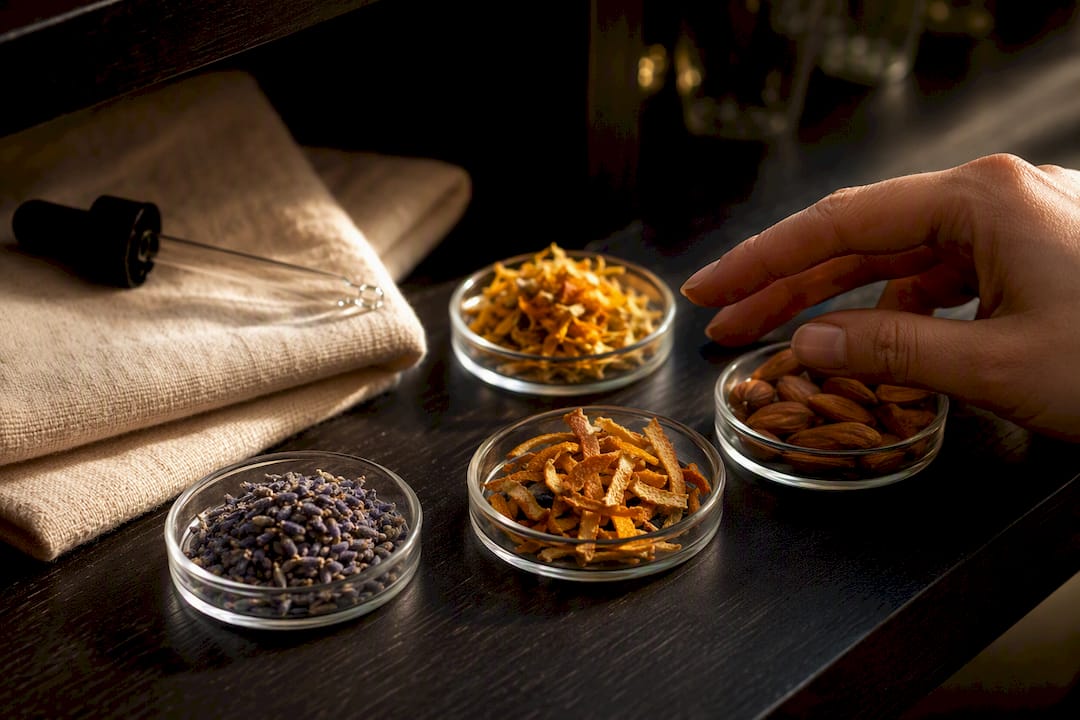
Plant-based doesn't mean hypoallergenic. In fact, some of the most common skin allergens are plant-derived: essential oils, botanical extracts (particularly from the daisy family, which includes calendula and chamomile), and natural fragrance compounds like limonene or linalool, which occur naturally in citrus and lavender oils. Nut-derived oils such as almond oil also carry a small but real risk for anyone with a tree nut allergy.
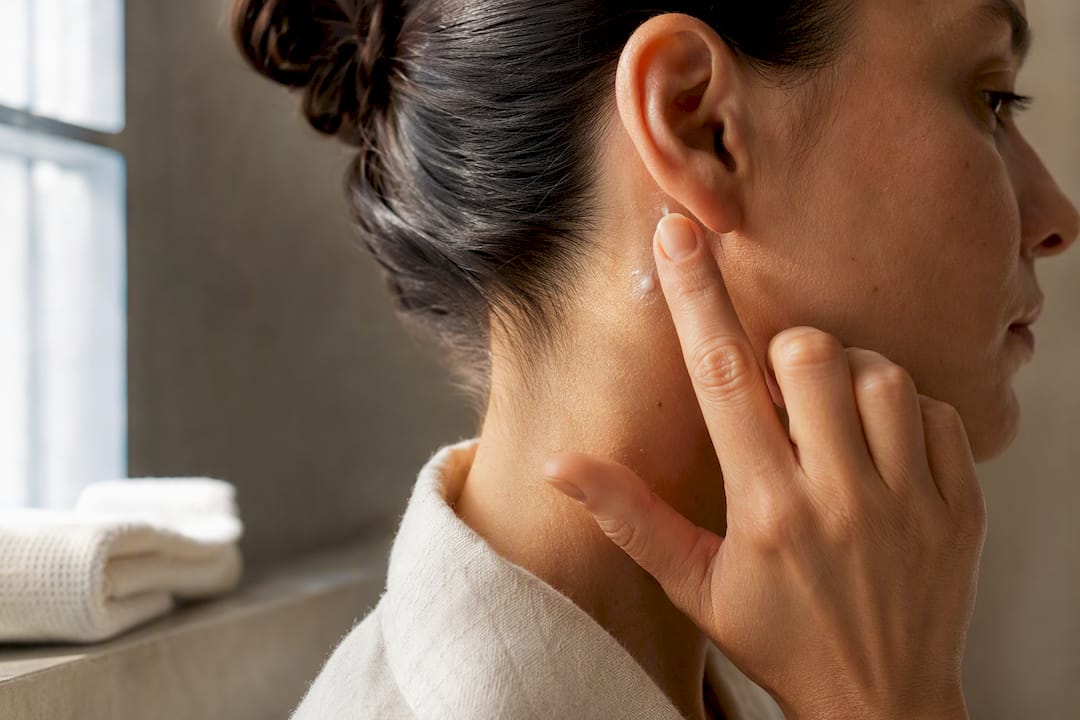
A patch test takes two minutes and can save you a week of irritated skin. Apply a small amount of the product to the inside of your forearm or behind your ear, an area with thinner, more reactive skin than most of the body. Leave it uncovered and unwashed for 24 to 48 hours. Redness, itching, swelling or small bumps within that window mean the product isn't right for you, even if every ingredient is plant-derived and "natural."
Patch testing matters most for three groups: anyone with a history of eczema or contact dermatitis, anyone trying a new brand for the first time, and anyone switching from fragrance-heavy conventional products to a plant-based formula with essential oils. If you have known allergies to specific plants (ragweed, chrysanthemums, or certain nuts), check the full ingredient list before testing at all, since related botanical extracts can trigger a cross-reaction.
Plant-based versus conventional moisturisers: which actually hydrates better
Neither category wins on hydration alone. Both plant-based and conventional moisturisers rely on the same three functional groups, humectants, emollients and occlusives, and the science behind how moisturisers work doesn't distinguish between synthetic and plant-derived versions of these ingredients when it comes to raw hydration performance. A well-formulated conventional lotion with glycerin and dimethicone can hydrate just as effectively, on paper, as a well-formulated plant-based one.
Where plant-based formulas tend to pull ahead is tolerance and long-term skin comfort. Conventional moisturisers more frequently rely on synthetic fragrance and formaldehyde-releasing preservatives to hit a lower price point and longer shelf life, and both are recognised triggers for sensitive skin reactions. Plant-based formulas, particularly ones built around fewer, more deliberate ingredients, tend to skip these in favour of natural preservation methods and plant-derived actives that double as skin-soothing agents, oat and calendula being good examples.
The honest verdict: choose based on your ingredient list, not the plant-based versus conventional label. A poorly formulated plant-based product can still underperform a well-made conventional one. But for anyone managing sensitivity, acne, or reactive skin, plant-based formulas give you an easier path to avoiding the ingredients most likely to cause a flare-up.
How to work out what your skin actually needs
Most people choose a moisturiser based on what worked for a friend or what looked good online, rather than what their own skin is actually asking for. Start with texture and reactivity, not brand.
First, note how your skin behaves through the day. Does it feel tight an hour after washing? That points to a moisture deficit and favours richer butters. Does it get shiny or break out by afternoon? That points toward oil balance issues, better served by lighter lotions with non-comedogenic plant oils like jojoba.
Second, check your reaction history. If you've had contact dermatitis, hay fever, or known plant allergies, fragrance-free and low-ingredient-count products should be your default, not an afterthought. If your skin has never reacted to anything, you have more room to experiment with essential oil-infused formulas.
Third, factor in where on the body you're applying. A body butter with cocoa butter and shea works beautifully on elbows and heels but can feel heavy across the chest or back if you're prone to breakouts there. Treat different zones differently rather than applying one product uniformly, and don't assume the acne-prone advice for facial skin (avoid heavy butters, favour lightweight oils) automatically applies to the rest of the body, where thicker occlusives usually work well.
What the ingredient list won't tell you
The advice most people get on plant-based moisturisers stops at "check for parabens" and calls it a day. That's not wrong, it's just thin. The bigger gap is that most buyers still shop by category label rather than by what their specific skin is doing that week, which is why so many people cycle through three or four "natural" products before finding one that actually works.
Here's the judgement worth sitting with: formulation logic beats brand loyalty every time. A body butter loaded with shea and cocoa butter is fantastic for dry elbows and genuinely counterproductive on an acne-prone back. The conventional wisdom that "natural is always gentler" ignores that essential oils and botanical extracts are common allergens in their own right, sometimes more reactive than a well-tested synthetic alternative.
If there's one thing to prioritise first, it's this: read the first five ingredients before you read the marketing copy. Everything else, certifications, scent, packaging, is secondary to whether the formula actually matches what your skin needs this season.
— Darnell
Where to start if you want a plant-based option that actually works
There are plenty of ways to shop for plant-based body care, from health-food shelves to marketplace listings where "natural" claims go unchecked. Some brands take a narrower approach by building formulas around vegan, chemical-free ingredients chosen for specific skin concerns, rather than an all-purpose blend.
That specificity is the point. If you've read this far, you already know your skin needs richer occlusives, lighter humectants, or fragrance-free soothing agents like oat and calendula, and choosing a product built around that concern beats guessing from a supermarket shelf. Some body care brands formulate with fat-soluble vitamins and nutrients designed to nourish sensitive or reactive skin, and may emphasize ingredient quality and sustainable manufacturing and packaging.
Browse the current range on the After Hours Body Butter store and pick the formula that matches the skin concern you identified above.
Sources
For readers who want to go deeper on the science and technique behind the advice in this guide:
- Moisturizers: The Slippery Road
- Natural skin care: What to know
- Aromatherapy: Do essential oils really work?
- Natural Oil Balance Moisturiser 50ml for Oily/Combination Skin – Green People
- Moisturizing Oat & Calendula Body Lotion | Babo Botanicals