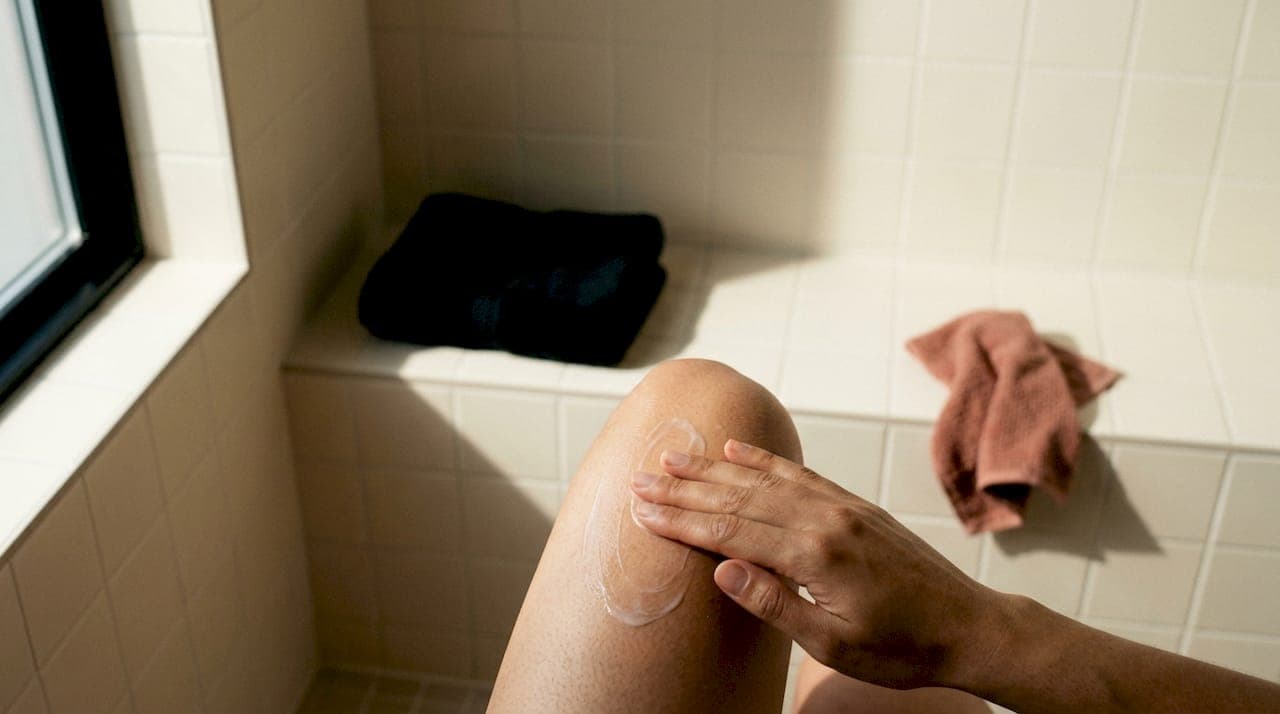
Yes, the right moisturiser helps prevent and soothe ingrown hairs. It won't cure them instantly. Look for gentle exfoliants and humectants together. Apply a light, non-comedogenic formula straight after showering. See a pharmacist or GP if you spot signs of infection.
TL;DR:
- Moisturizers with gentle exfoliants and humectants help soften the skin and support overall prevention of ingrown hairs, but do not offer instant relief.
- Incorporate lightweight, non-comedogenic formulas containing AHAs, BHAs, or urea, applying them within five minutes after showering for better absorption.
- Avoid heavy ointments and aggressive physical scrubs on inflamed areas, and always patch test new active ingredients before regular use.
- Proper shaving technique, such as shaving with the grain and using sharp blades, complements moisturising routines to reduce hair curling and trapping.
- See a healthcare professional if signs of infection, spreading redness, fever, or recurring bumps persist despite consistent self-care.
Table of Contents
- Why moisturising helps ingrown hairs
- Ingredients that work and ones to avoid
- How to build a safe moisturising routine
- When to see a pharmacist or GP
- What practitioners actually warn against
- Moisturisers versus other ingrown hair treatments
- Preventive habits that work alongside moisturising
- Side effects and allergic reactions to watch for
- Natural and DIY options versus commercial formulas
- A note on realistic expectations
- Why After Hours Body Butter fits this routine
- Sources
- FAQ
Why moisturising helps ingrown hairs
Dry, tight skin traps hairs under the surface. Moisturiser softens the skin. Softer skin lets trapped hairs work their way out on their own.
This is self-care, not a quick fix. NHS guidance on ingrown hairs confirms there is no single cure-all. Treatment relies on proper shaving, gentle exfoliation and regular moisturising. The goal is prevention and comfort, not overnight removal.
What moisturising does well:
- Softens the outer skin layer so hairs can surface more easily.
- Reduces the dryness that makes skin grip onto curling hairs.
- Calms redness and itching around existing bumps.
- Supports the skin barrier during shaving or waxing recovery.
Stopping hair removal altogether remains the most definitive fix for chronic cases, according to the NHS. For most people that's not practical. Moisturiser is the daily habit that keeps things manageable.
Ingredients that work and ones to avoid
Check the ingredients list before the brand name. Certain actives make a real difference.
- AHAs (glycolic and lactic acid): gently exfoliate dead skin cells and help hairs surface.
- Salicylic acid (BHA): works inside the pore, useful for oilier, bump-prone skin.
- Urea: softens rough, thickened skin without heavy scrubbing.
- Glycerin and hyaluronic acid: humectants that pull moisture into the skin and keep it there.
The American Academy of Dermatology recommends alpha-hydroxy and beta-hydroxy acids in moisturising formulas for this exact reason: they hydrate and exfoliate at the same time, which cuts the dead skin build-up that traps hairs.
Texture matters as much as ingredients. Lightweight lotions and gels sit better on follicle-prone skin than heavy ointments. NEL emollient guidelines caution that thick, occlusive bases can trap bacteria and clog follicles in people prone to folliculitis.
Two things to avoid: strong physical scrubs on inflamed skin, and heavy occlusive balms on active bumps. Both can make irritation worse rather than better.
Pro Tip: Patch test any new active on your inner arm for 48 hours before using it on a shaving-prone area.
How to build a safe moisturising routine
Timing and consistency matter more than any single product.
- Shower first. Warm water softens skin and opens pores slightly.
- Apply moisturiser within five minutes of stepping out, while skin is still damp; this helps the product absorb rather than sit on the surface.
- Moisturise daily, morning or night, without skipping days.
- Add gentle chemical exfoliation two to three times a week where your skin tolerates it, on the surrounding skin rather than directly on inflamed spots.
- After shaving or waxing, skip physical scrubs for 24 hours and stick to a light, fragrance-free lotion instead.
- Leave active, inflamed bumps alone. Treat the skin around them, not the lesion itself, until it settles.
This damp-skin timing lines up with dermatology advice from the AAD, which notes that applying moisturiser while skin is still damp improves absorption. Pairing a fixed routine with better post-waxing aftercare reduces the irritation that often triggers new bumps in the first place.
When to see a pharmacist or GP
Self-care handles most cases. Some signs mean it's time to get help.
- Spreading redness, warmth or pus point to possible infection.
- Fever or feeling unwell alongside skin symptoms needs same-day advice.
- Bumps that keep recurring in the same spot despite good aftercare are worth a GP check.
Pharmacists can recommend over-the-counter creams for itching, suggest suitable exfoliating products, and flag when a GP visit is needed, according to the NHS. A GP may offer sterile removal of a trapped hair, short courses of topical steroids for inflammation, or topical or oral antibiotics if infection is confirmed. Persistent or severe pseudofolliculitis barbae sometimes needs referral for longer-term management.
What practitioners actually warn against
Lightweight, gel-based emollients protect follicle-prone skin better than heavy ointments, and aggressive exfoliation on inflamed skin slows healing rather than speeding it up.
That's the core of current clinical guidance, and it holds up in practice. Nutrient-rich body butters can still suit sensitive, ingrown-prone skin, provided the formula stays non-comedogenic and free of heavy pore-blocking waxes. The mistake most people make isn't choosing the wrong product category. It's over-exfoliating a bump that's already inflamed, which delays healing rather than clearing it faster, as NEL emollient guidelines point out.
Pro Tip: If a bump is red and sore, moisturise around it and leave exfoliation for a few days until it calms down.
— Darnell
Moisturisers versus other ingrown hair treatments
Moisturisers and targeted treatments do different jobs. A moisturiser hydrates the skin surface and supports the barrier, which helps prevent new hairs from getting trapped. It's a daily maintenance step, not a spot treatment.
Retinoid creams and glycolic acid formulas work differently. The Mayo Clinic notes that topical retinoids such as tretinoin, alongside glycolic acid, exfoliate dead skin cells more actively and may reduce hair curvature over time, though results typically take weeks of consistent use to appear.
Antiseptic creams and prescription antibiotics target infection directly, addressing bacteria rather than dryness or texture. Steroid creams calm inflammation short-term but aren't meant for daily long-term use the way a moisturiser is.
Think of it as layers: moisturiser for daily prevention, chemical exfoliants for surface texture, and medicated treatments for active infection or stubborn inflammation. Using the wrong tool for the job, like a steroid cream every day as a moisturiser substitute, causes more problems than it solves.
Preventive habits that work alongside moisturising
Moisturiser alone won't outrun poor shaving technique. The two need to work together.
Shave with the grain, use a sharp blade, and avoid stretching the skin taut while shaving. DermNetNZ points out that technique often has a bigger impact on ingrown hair risk than any aftercare product. Short strokes and a fresh blade each time cut down on the jagged hair tips that curl back into skin.
Other habits worth building in:
- Exfoliate the skin gently before shaving, not just after.
- Rinse with cool water after shaving to close pores slightly.
- Switch to an electric shaver or let hair grow out longer if bumps keep recurring in the same area.
- Avoid tight clothing over freshly shaved or waxed skin for the first day.
None of these replace moisturising. They reduce the number of hairs that get trapped in the first place, so the moisturiser has less work to do.
Side effects and allergic reactions to watch for
Most moisturisers are low risk, but reactions do happen. Fragranced products are the most common culprit for irritation on already-sensitive, freshly shaved skin.
Watch for stinging, redness that doesn't fade within an hour, or small itchy bumps that weren't there before. AHAs and BHAs can cause mild tingling on first use, which is normal, but persistent burning or peeling means the formula is too strong for your skin right now.
Heavier ointments carry a different risk: they can trap sweat and bacteria against the skin, which sometimes worsens folliculitis rather than calming it, particularly in warm weather or after exercise. If you notice new bumps appearing after starting a product rather than fewer, stop using it and switch to something lighter and fragrance-free.
Anyone with a known allergy to a specific ingredient, such as certain preservatives or essential oils, should check the full ingredients list rather than relying on "natural" or "sensitive skin" labelling alone.

Natural and DIY options versus commercial formulas
Homemade options like coconut oil or shea butter appear often in ingrown hair advice. They can hydrate, but they're typically heavier and more occlusive than commercial lotions, which is exactly the texture that clinical guidance advises against for follicle-prone skin.
Commercial moisturisers formulated with humectants like glycerin or hyaluronic acid, alongside AHAs or BHAs, are built to hydrate without the same clogging risk. That formulation control is the main advantage over a DIY mix: measured actives at tested concentrations, rather than a raw oil applied by eye.
That doesn't mean natural ingredients are the problem. A body butter can use natural, plant-based ingredients and still stay lightweight if it's formulated with follicle safety in mind rather than pure richness. The distinction isn't natural versus synthetic, it's texture and formulation. A nutrient-dense but light formula beats a heavy natural oil for skin that's prone to trapping hairs.

A note on realistic expectations
I've spent time going through clinical guidance on ingrown hairs and folliculitis, and the pattern is consistent: patience and consistency beat any single product. A good moisturiser makes existing bumps less sore and helps prevent new ones, but it works over weeks, not overnight. Patch test anything new, and check with a pharmacist before layering medicated creams onto your routine.
Why After Hours Body Butter fits this routine
There are vegan, cruelty-free body butters available made with natural, chemical-free ingredients, formulated without silicones, sulfates or harsh fillers. That lines up with the two things this guide keeps coming back to: lightweight texture and genuine hydration from humectant-rich, fat-soluble nutrients rather than heavy fillers.
For sensitive or ingrown-prone skin, choose a lighter texture over the richest option on the shelf, and patch test before applying it to a freshly shaved area.
- Look for a lightweight formula rather than a thick balm if you're prone to bumps.
- Patch test on your inner arm for 48 hours before first full use.
- Pair it with a simple sensitive skin routine rather than adding multiple new products at once.
- Apply within minutes of showering for the best absorption.
Browse the full Body Butters range to find a texture that suits your skin type and routine.
This article is general information, not a substitute for advice from a qualified doctor. Consult a qualified healthcare professional about your own circumstances before acting on anything here.
Sources
- Ingrown hairs - NHS
- Keratosis pilaris: Diagnosis and treatment - American Academy of Dermatology (AAD)
- Pseudofolliculitis barbae - DermNet NZ
- NEL emollient guidelines v1.1 - December 2024
FAQ
Should you moisturise ingrown hair?
Yes, moisturising helps soften the skin around ingrown hairs and supports the skin barrier, which aids prevention. It won't remove an existing bump instantly, so pair it with gentle exfoliation and good shaving technique.
What is the best moisturiser for ingrown hairs?
The best choice is a lightweight, non-comedogenic lotion or gel containing humectants like glycerin or hyaluronic acid, sometimes alongside a mild AHA or BHA. Avoid heavy, occlusive ointments, which NEL emollient guidelines note can clog follicles in susceptible skin.
What type of cream can I put on an ingrown hair?
For an active bump, moisturise the surrounding skin and avoid scrubbing the lesion directly. A pharmacist can recommend an appropriate over-the-counter cream for itching, and a GP can prescribe a topical steroid or antibiotic if infection is present, according to NHS guidance.
Is there a cream that draws out ingrown hairs?
No single cream reliably draws out a trapped hair on its own. Gentle exfoliation with AHAs or BHAs, combined with regular moisturising, helps the hair surface naturally over time, and a GP can perform sterile removal in persistent cases.